



Menu ☰
After the open home: turn first impressions into useful comparisons
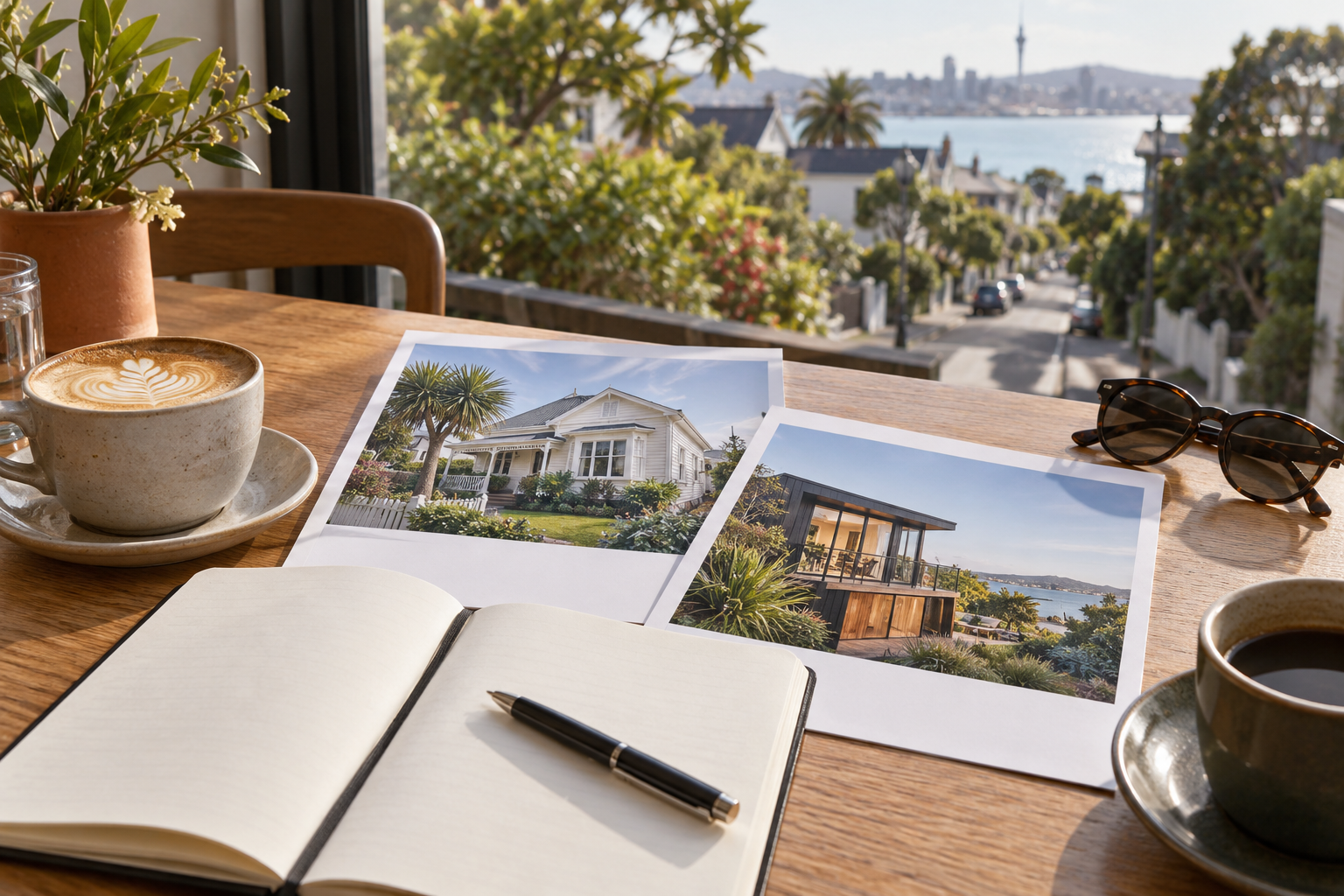
After a morning of Auckland open homes, the details can start to blur. Was the useful storage in the first townhouse or the second? Which living room felt comfortable, and which question did you mean to ask before leaving?
A short review after each viewing can turn those impressions into something you can use. You do not need a complicated spreadsheet. A consistent page of notes for every property is often enough to make the next conversation more focused.
Capture the visit while it is fresh
Before heading to the next address, take a few minutes to write down what stood out. Start with the property address and the date and time of your visit, then add three things that worked well and three things you want to understand better.
Keep observations specific. “The dining table would interrupt the route to the kitchen” is more useful than “awkward layout”. “There was space beside the entrance for our pushchair” tells you more than “good storage”. These details help you recall how the home might work for your household.
Separate what you saw from what you need to check
Give your notes two clear headings: observations and questions. A room appearing bright during a sunny afternoon is an observation. How it feels at another time of day remains a question. A cupboard looking large does not yet tell you whether your particular equipment fits inside it.
This distinction keeps an appealing first impression from becoming an assumption. Put unanswered questions in a visible place and record where each answer came from. If you need a measurement, document or further explanation, make that the next action rather than filling the gap from memory.
Compare each home against the same priorities
Return to the needs that shaped your search. You might be looking for a workable home office, fewer stairs, space for visiting family or a simpler journey to the places you use regularly. Use the same short list when reviewing every property.
Try three simple labels: works well, possible compromise, and needs checking. Avoid forcing every feature into a numerical score. A home can have several attractive extras while still missing something central to your daily life.
For an Auckland search, think through an ordinary weekday as well as a relaxed weekend. Where would bags, bikes or wet shoes go? How would two people get ready at once? Where would you take a quiet call? Practical questions make comparisons more personal and useful.
Let everyone write before you discuss
If you are searching with someone else, make your first notes separately. One person may notice the kitchen workflow while another is thinking about noise or storage. Giving each person time to record their impressions helps the conversation include both perspectives.
Then compare the reasons behind your reactions. Instead of arguing over whether a home was “good”, discuss what each of you would find easy or difficult about living there. You may discover that a small change in your search priorities would help.
Choose a useful next step
At the end of the day, sort the properties into three groups: worth following up, set aside, and not yet clear. For each home still under consideration, write one concrete next step. That could be asking the agent a question, requesting available information or arranging another viewing.
Keep your notes and replies together so the next visit builds on the first. This comparison exercise helps organise your thinking; it does not assess a building’s condition or replace the property checks and professional advice appropriate to a purchase.
Ready to continue your search? Browse our properties for sale or explore our buying guide. Bring your questions to the next conversation with One Agency Auckland Central.
Original article by One Agency Auckland Central.